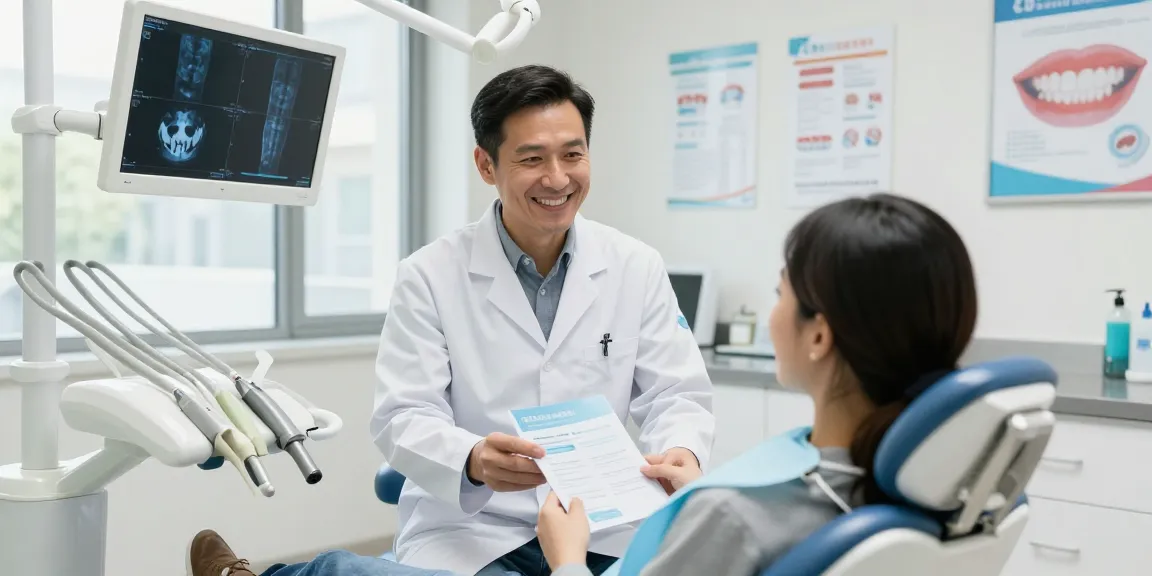
Understanding the Importance of Choosing the Right Dentist
Finding the right dentist is a crucial step towards maintaining your oral health. A good dentist not only provides essential dental care but also establishes a relationship of trust with their patients. This is especially important when it comes to addressing fears associated with dental visits and ensuring a comfortable experience. Whether you are new to a city or simply looking to switch dental practices, understanding what to look for in a dentist can significantly impact your overall dental health journey. view it now for an extensive guide tailored to your needs.
What to Look for in a Dental Practice?
When searching for a dental practice, consider the following factors to ensure you make an informed decision:
- Location: Proximity to your home or workplace can greatly influence your decision. A conveniently located dentist can make it easier to keep appointments.
- Office Hours: Consider whether the dentist's hours align with your schedule. Flexible hours might be beneficial for those with demanding jobs.
- Services Offered: Ensure the practice offers the services you need, from routine cleanings to specialized treatments.
- Technology and Techniques: Look for offices that utilize the latest dental technologies, which can improve the quality of care.
- Patient Reviews: Online reviews and testimonials can provide insight into the experiences of other patients.
Common Misconceptions About Dental Care
Many people hold misconceptions about dental care that can deter them from seeking treatment or maintaining regular visits. Some of these include:
- Dental visits are painful: Many modern dental procedures are pain-free due to advancements in anesthesia and technology.
- Only urgent issues require dental care: Routine check-ups can prevent serious problems and are essential for maintaining good oral health.
- Dental health is not linked to overall health: Poor dental hygiene can lead to serious issues such as heart disease and diabetes.
How to Assess Dentist Credentials and Experience?
Before choosing a dentist, it is vital to assess their qualifications and experience. You can do this by:
- Checking Credentials: Look for board certifications and memberships in professional organizations.
- Inquiring About Experience: Ask how long they have been practicing and their experience with specific procedures.
- Assessing Continuing Education: Dentistry is a constantly evolving field; ensure your dentist participates in ongoing education to stay current.
Streamlining Your Appointment Booking Experience
In today's digital age, booking a dental appointment has never been easier. Online systems have simplified the process, allowing you to schedule your visit in a matter of minutes. This convenience is beneficial to both patients and dental practices. By utilizing platforms that integrate appointment management with real-time availability, you can avoid long waits both on the phone and in the office.
Benefits of Online Appointment Systems
Utilizing an online appointment system can lead to numerous benefits, including:
- Convenience: Book appointments at any time, eliminating the need for phone calls during office hours.
- Real-Time Availability: See available time slots and book accordingly, which reduces the risk of double bookings.
- Reminders: Automated appointment reminders can help prevent missed visits.
- Easy Rescheduling: Quickly adjust your appointment if your schedule changes.
How to Find a Dentist in Your Local Area?
Finding a dentist in your locality is straightforward. You can:
- Ask for Recommendations: Engage friends, family, or colleagues for their suggestions and experiences.
- Use Online Directories: Websites such as Dentee provide lists of dentists based on your location.
- Check Insurance Provider Listings: If you have dental insurance, your provider may have a network of dentists to choose from.
Real-Time Availability: What to Expect?
With advancements in technology, many dental practices now offer real-time availability. This feature allows patients to:
- Book Appointments Immediately: See which time slots are open as you are booking.
- Review Dentist Profiles: Access information about each dentist's specialties and qualifications.
- Receive Instant Confirmations: Know your appointment is secured without waiting for a call back.
Recognizing Dental Services You May Need
Dental care encompasses a wide variety of services, and understanding what is available can help you make informed decisions about your oral health. Here’s a breakdown of common dental services.
Preventive Care: What Are Your Options?
Preventive care is essential to maintain oral health and avoid more serious and costly treatments down the line. Common preventive services include:
- Regular Check-ups: Dental exams should be performed at least twice a year.
- Cleanings: Professional cleanings help remove plaque and tartar buildup.
- Fluoride Treatments: These treatments can strengthen tooth enamel and help prevent cavities.
Understanding Specialized Dental Treatments
Some patients may require specialized treatments that go beyond routine care. These may include:
- Cosmetic Dentistry: Procedures like whitening, bonding, or veneers improve the appearance of teeth.
- Orthodontics: Treatment for misaligned teeth through braces or clear aligners.
- Oral Surgery: Surgical interventions for issues such as impacted teeth or jaw problems.
Emergency Dental Services: When to Seek Help?
In dental emergencies, time is of the essence. You should seek immediate assistance for:
- Severe Toothache: This may indicate a major issue requiring urgent care.
- Knocked-Out Tooth: Quick action can improve the chances of saving the tooth.
- Swelling or Infection: These symptoms may require immediate intervention.
Maximizing Your Dental Visits for Better Outcomes
To ensure you get the most out of your dental visits, consider these tips for preparation and follow-up.
Preparing for Your Dental Appointment
Arriving prepared for your dental visit can make the process smoother. Here are ways to prepare:
- Bring Necessary Documents: Include your insurance information and any medical history relevant to your dental health.
- List Your Concerns: Write down any questions or issues you want to discuss with your dentist.
- Practice Good Oral Hygiene: Make sure to brush and floss before your appointment.
Questions to Ask Your Dentist During the Visit
Don’t hesitate to ask questions to gain a better understanding of your dental health:
- What is the best way to care for my teeth at home?
- Are there any treatments you recommend for me?
- What are the costs associated with my treatment plan?
Follow-Up Care: Ensuring Continued Oral Health
After your appointment, following your dentist's recommendations is crucial for ongoing dental health:
- Schedule Follow-Up Visits: Ensure to adhere to the recommended timeline for check-ups.
- Maintain Oral Hygiene: Continue to practice good hygiene at home.
- Stay Informed: Follow any instructions given regarding diet or medication that may impact your dental health.
The Future of Dental Services in 2026 and Beyond
As we move further into the 21st century, the dental profession is poised for significant advancements. Understanding these emerging trends can help you stay informed about future dental care.
Emerging Trends in Dental Technology
Technological advancements are transforming the dental industry:
- Tele-dentistry: Virtual consultations provide access to care for those unable to visit an office.
- 3D Printing: This technology is being used for faster production of dental appliances.
- Artificial Intelligence: AI is being integrated for better diagnostic accuracy and personalized treatment plans.
Patient-Centric Innovations in Dental Practices
The future of dental care will focus on patient experience:
- Customized Treatment Plans: More dentists are moving toward personalized care based on individual patient needs.
- Enhanced Patient Education: Practices will emphasize educating patients about their dental health and treatment options.
- Comfort Innovations: Offices will enhance the patient experience through comfort measures like sedation dentistry and improved technology.
What Will Dental Care Look Like in the Next Decade?
The outlook for dental care in the next decade will likely include:
- Increased Access: More online resources will be available to help patients find care and make informed decisions.
- Focus on Preventive Care: A shift towards preventive measures to maintain dental health and avoid costly procedures.
- Continued Integration of Technology: From patient records to treatment methods, technology will play a bigger role in the dental field.
What should I consider before choosing a dentist?
Before making a choice, assess factors like location, services offered, and patient reviews to ensure that the dentist aligns with your specific needs.
How can I book an appointment quickly?
Use online platforms that allow you to view real-time availability and schedule your appointment swiftly, often without the need for phone calls.
What are the signs of a good dental practice?
High standards of hygiene, friendly staff, clear communication, and a modern office equipped with the latest technology can all signify a quality dental practice.
What resources are available for patient education?
Many dental websites, including those of individual practices, offer extensive resources, including articles and videos, to educate patients about dental care.
How often should I visit a dentist?
Most dentists recommend a check-up every six months, but your personal needs may dictate a different schedule.